Yamaha Electric Cycle 2026 : Yamaha, the Japanese two-wheeler titan long synonymous with thrilling performance and sleek design, is finally charging into India’s booming electric vehicle scene.
With two electric scooters—AEROX-E and EC-06—slated for early 2026 showroom debuts, the brand promises to blend its premium DNA with sustainable mobility, targeting urban riders tired of petrol pumps and pollution.
Yamaha’s Bold EV Entry Strategy
Picture this: Delhi’s smog-choked mornings or Mumbai’s gridlocked afternoons. Yamaha sees opportunity amid the chaos.
After years of dominating the premium petrol segment with bikes like the R15 and MT-15, the company announced its EV push in late 2025.
India Yamaha Motor aims for 10 new models by end-2026, including these EVs, as part of a massive lineup refresh with over 20 updates.
It’s not a volume grab like Ola or Ather; Yamaha stays true to its roots—premium, performance-focused rides that feel exciting, not just efficient.
The rollout kicks off in Q1 FY26 (January-March 2026), starting with metro hubs like Delhi, Mumbai, Bangalore, and Chennai where EV infra is ripening. Blue Square dealerships—over 550 strong—get upgrades for charging and service.
Yamaha’s chairman, Itaru Otani, calls India central to global growth, eyeing both premium ICE and electric segments.
Senior VP Ravinder Singh emphasizes no commuter compromise: “We’re not chasing volumes; we’re creating segments with sporty flair.” Early adopters get portable home chargers, with partnerships eyed later.
AEROX-E: Premium Thrills on Electric Power
Meet the AEROX-E, Yamaha’s “Maxi Sports” star. This isn’t your average scooter—it’s built for riders craving adrenaline in an eco wrapper.
A punchy 9.4 kW motor paired with dual 3 kWh detachable batteries delivers a certified 106 km range, zipping from 0-40 kmph in a blink.
Multiple riding modes let you toggle between zippy city sprints and relaxed cruises, while advanced connectivity beams navigation and stats to your phone.
Design screams Yamaha: aggressive aerox styling with sharp LED headlights, sculpted bodywork, and a spacious seat for two. Safety shines with features like traction control whispers and over-the-air updates.
Priced likely above Rs 1.5 lakh (on-road estimates), it eyes premium buyers ditching petrol Aerox 155. Urban professionals, college kids with cash, and style hounds will flock—imagine weaving through traffic silently, torque instant, no gear shifts.
Real-world buzz? Test mules spotted in Chennai hint at refined NVH (near-silent rides) and swap-friendly batteries for minimal downtime.
Against Ather 450X or TVS iQube, AEROX-E stands out with Yamaha’s racing pedigree—think YZF-R1 inspired ergonomics for longer hauls.
EC-06: Everyday Reliability Meets Smart Tech
For the practical soul, EC-06 steps up as the commuter king. Developed for inter-city hops, its fixed 4 kWh battery claims up to 160 km per charge—perfect for daily office runs or grocery dashes without range anxiety.
The motor matches urban needs: efficient, responsive, with eco/sport modes and regenerative braking that juices back energy on downhills.
Compact stance, upright posture, and under-110 kg weight make it newbie-friendly, especially for women riders in tier-2 towns. Digital console tracks everything—battery health, range predictions, even theft alerts via app.
USB ports keep phones alive; hazard lights handle monsoons. Expected under Rs 1.2 lakh, it undercuts AEROX-E while matching Honda Activa’s utility in electric form.
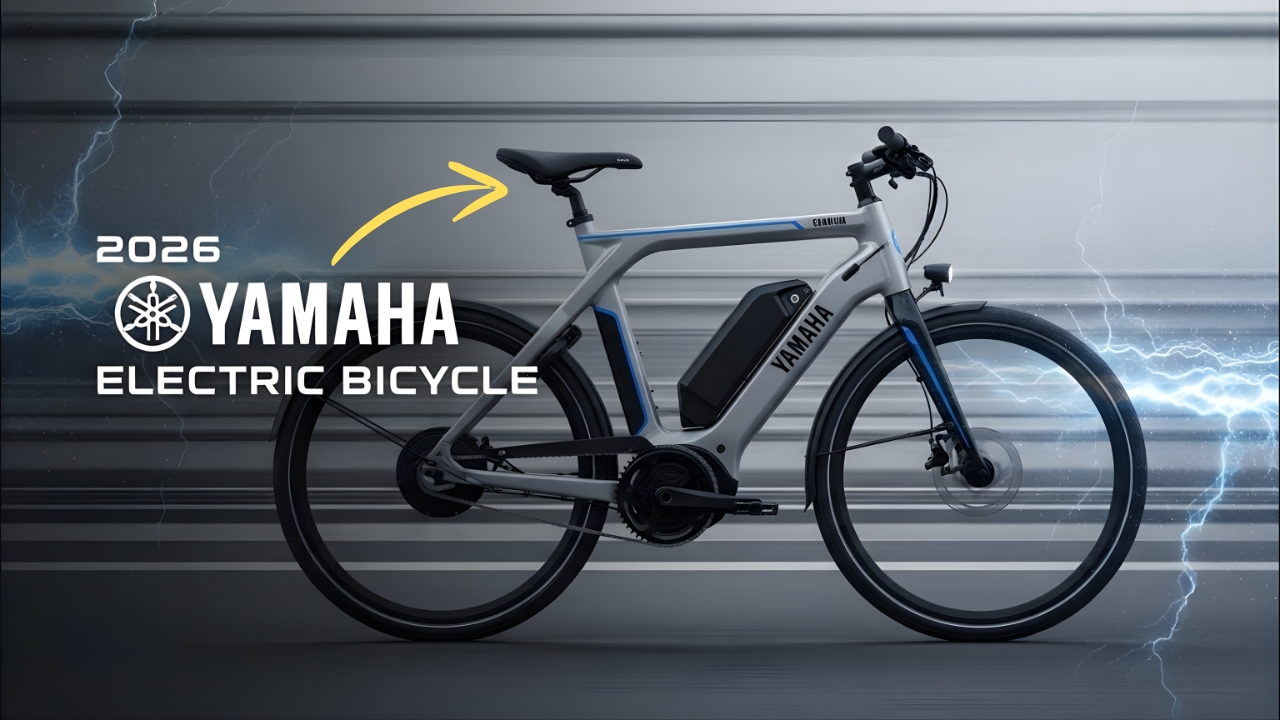
Yamaha’s global collab shines here—EC-06 draws from European urban models, tuned for Indian roads’ bumps and heat.
Owners forums already hype its low running costs: Rs 0.25/km vs petrol’s Rs 2/km, plus zero tailpipe emissions aligning with FAME-III subsidies.
Why Yamaha EVs Could Shake Up the Market
India’s EV two-wheeler sales hit 50% market share in 2025, fueled by subsidies and state perks. Yamaha enters late but smart—leveraging 1.5 million unit capacity from Uttar Pradesh and Tamil Nadu plants.
Unlike Bajaj-Chetak’s retro vibe or Ola’s app-heavy gamble, Yamaha banks on brand pull: reliability from 125cc+ expertise, now electrified.
Challenges loom—battery supply chains, charging deserts outside metros, and price wars. Yet Yamaha’s measured rollout (50 cities first) builds trust.
Production ramps to full capacity by 2027, per execs. Rider anecdotes from Japan previews rave about seamless torque; Indian beta testers (leaked) praise hill-climb prowess in Lonavala tests.
Competition? Ola S1 Pro leads volumes, but Yamaha woos with build quality and resale. TVS Ntorq EV rivals AEROX-E’s fun factor; Simple One eyes range. Still, Yamaha’s “not a commuter brand” mantra carves a niche for aspirational greens.
Yamaha Electric Cycle 2026 : More Than Just Scooters
Beyond these two, 2026 whispers YZF-R3, MT-03 returns, and hybrid experiments. Yamaha’s EV tease page builds hype, promising “stay tuned.”
Government push—Rs 10,000/kWh incentives—sweetens deals. From Sonipat streets to Kerala coasts, these scooters promise silent revolutions, cutting oil imports and urban haze.
A Bangalore techie trial rider shared: “Feels like flying without noise—game-changer for my 50 km commute.” In Bihar, EC-06 could haul families affordably. Yamaha’s premium play might just lure fence-sitters, proving electrics can thrill.
Also Read this – Hero Splendor Plus Xtec come in Sporty look, mileage is 76 Kmpl in ₹72,982 only
In conclusion, Yamaha’s 2026 electric duo—AEROX-E and EC-06—heralds a stylish, sustainable shift for India. Blending Japanese engineering with local smarts, they invite riders to ditch fuel forever. Head to a Blue Square soon; the future’s humming.